
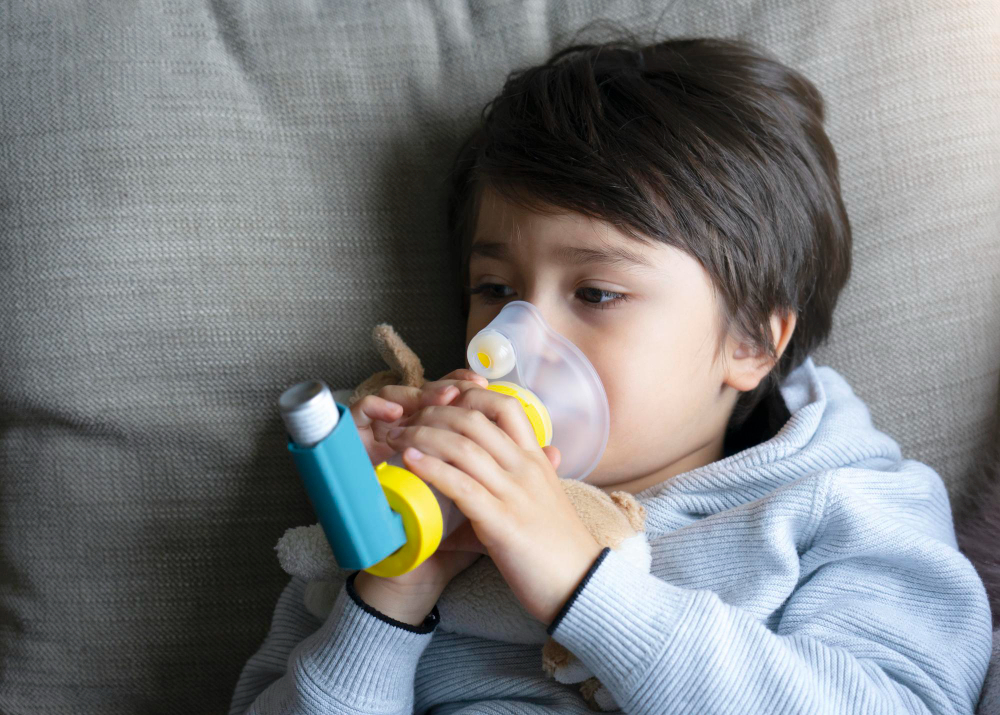
What is Asthma in Children?
Asthma in children is a long-term lung condition. It causes the airways to become swollen and narrow. Because of this, children may find it hard to breathe. Asthma can start at any age, but it often begins in childhood. According to the CDC, asthma is one of the most common chronic diseases in kids. Early care and good management can help children live active lives.
Common Symptoms of Asthma in Children
Children with asthma may show different signs. However, some symptoms are more common. Early recognition helps in managing asthma in children. Look for these childhood asthma symptoms:Frequent coughing, especially at night or after playingWheezing or a whistling sound when breathing outShortness of breath or rapid breathingChest tightness or painTiredness during play or exerciseTrouble sleeping due to coughing or breathing issues
Sometimes, symptoms may get worse with colds or allergies. If you notice these signs, it is important to talk to your doctor.
Causes and Risk Factors
Asthma in children can have many causes. Although the exact reason is not always clear, several factors can increase risk. For example, genetics play a big role. If a parent has asthma, a child is more likely to develop it. Other risk factors include:Exposure to tobacco smokeAllergies to dust, pollen, or petsFrequent respiratory infectionsAir pollution or strong odorsObesityFamily history of allergies or asthma
Because triggers can vary, it is helpful to identify what affects your child most.
How Asthma is Diagnosed in Children
Doctors use several steps to diagnose asthma in children. First, they ask about symptoms and family history. Next, they may listen to your child’s breathing. Sometimes, tests are needed. For example, a lung function test checks how well your child breathes. In younger kids, doctors may use other tests or watch symptoms over time. Early diagnosis helps start the right pediatric asthma care.
Treatment Options for Children with Asthma
Asthma treatment for kids aims to control symptoms and prevent attacks. Doctors may suggest:Inhalers with medicine to open airwaysDaily controller medicines to reduce swellingQuick-relief inhalers for sudden symptomsAllergy medicines if allergies trigger asthma
Because each child is different, treatment plans may change over time. Regular check-ups help keep asthma under control.
Lifestyle Tips and Home Care
Managing asthma in children at home is very important. With the right steps, you can help your child stay healthy. Try these tips:Keep your home free from smoke and strong odorsUse dust-proof covers on pillows and mattressesWash bedding often in hot waterLimit contact with pets if they trigger symptomsEncourage regular hand washing to prevent infectionsHelp your child follow their asthma action plan
Additionally, teach your child to notice early signs of asthma. This helps prevent severe attacks.
Prevention Strategies
While asthma cannot always be prevented, you can lower your child’s risk of flare-ups. For instance, avoid known triggers as much as possible. Other prevention tips include:Keep your home clean and free from dustStay indoors on days with high air pollutionGet yearly flu shots for your childManage allergies with your doctor’s helpEncourage healthy eating and regular exercise
Because prevention is ongoing, review your child’s plan with their doctor often.
When to See a Doctor
Sometimes, asthma symptoms can get worse quickly. Seek medical help if your child:Has trouble breathing or speakingUses quick-relief inhaler more than usualShows blue lips or fingernailsHas chest pain that does not go awayCannot do normal activities due to breathing problems
Early treatment can prevent serious problems. Always keep emergency numbers handy.
In summary, asthma in children can be managed with the right care. Consult a pediatric specialist for personalized guidance on managing asthma in children.