
Introduction
Chicken pox in children is a common illness caused by a virus. It mostly affects kids under 12 years old. Although most cases are mild, chicken pox can sometimes lead to problems. For parents and caregivers, knowing the signs and how to care for a child with chicken pox is important. Early action can help your child feel better and prevent the spread of the virus.
Symptoms
Usually, chicken pox in children starts with mild symptoms. However, the rash is the most well-known sign. Watch for these symptoms of chicken pox:
Fever, often the first sign
Headache or feeling tired
Loss of appetite
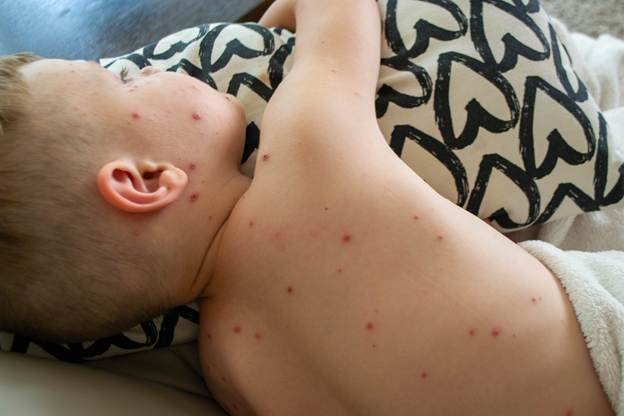
Itchy, red spots that turn into fluid-filled blisters
Blisters that break and form scabs
Often, the rash starts on the face, chest, or back. Then, it spreads to other parts of the body. New spots may appear for several days. Because of this, your child may have spots in different stages at the same time.
Causes and Risk Factors
Chicken pox in children is caused by the varicella-zoster virus. This virus spreads easily from person to person. For example, your child can catch it by breathing in droplets from a cough or sneeze. Touching the fluid from chicken pox blisters can also spread the virus.
Some children are more likely to get chicken pox, such as:
Kids who have not had chicken pox before
Children who have not received the chicken pox vaccine
Those who spend time in group settings, like schools or daycare
However, once a child has had chicken pox, they usually do not get it again.
Diagnosis
Doctors can often diagnose chicken pox in children by looking at the rash. Because the rash is unique, it is easy to spot. Sometimes, a doctor may ask about recent contact with someone who had chicken pox. In rare cases, a lab test may be needed to confirm the diagnosis. However, this is not common for healthy children.
Treatment Options
Most cases of chicken pox in children are mild and get better on their own. However, treatment for chicken pox in kids focuses on easing symptoms and preventing problems. Your doctor may suggest:
Acetaminophen for fever (never give aspirin to children with chicken pox)
Antihistamines or soothing lotions to help with itching
Plenty of fluids to prevent dehydration
In some cases, children with weak immune systems may need antiviral medicine. Always talk to your doctor before giving any medicine.
Home Care and Lifestyle Guidance
At home, you can help your child feel better and avoid spreading the virus. For example, try these tips:
Keep your child’s fingernails short to prevent scratching
Dress your child in loose, comfortable clothing
Use cool baths with baking soda or oatmeal to soothe the skin
Encourage rest and quiet activities
Keep your child at home until all blisters have scabbed over
Because chicken pox is very contagious, keeping your child away from others helps stop the spread.
Prevention Strategies
The best way to prevent chicken pox in children is through vaccination. The chicken pox vaccine is safe and effective. Most children in the US get two doses, starting at age 12-15 months and again at 4-6 years. The vaccine protects most children from getting chicken pox. Even if a vaccinated child gets chicken pox, the illness is usually mild.
Other ways to help prevent chicken pox include:
Keeping sick children at home
Washing hands often
Cleaning surfaces and toys regularly
Because the virus spreads easily, these steps can help protect your family and others.
When to See a Doctor
Most children recover from chicken pox without problems. However, you should call your doctor if your child:
Has trouble breathing or a stiff neck
Develops a high fever that lasts more than four days
Has blisters that look infected (red, swollen, or leaking pus)
Seems very weak or hard to wake up
Because some children are at higher risk for complications, always check with your doctor if you are unsure.
Conclusion
Chicken pox in children is usually mild, but it can be uncomfortable. However, knowing the symptoms, causes, and treatment options can help you care for your child. Vaccination is the best way to prevent chicken pox. If you have questions or concerns, consult a pediatrician for personalized advice.
For expert guidance and compassionate care, visit Kranthi Children’s Hospital — your trusted partner in child health.