What Is Diarrhea in Children?
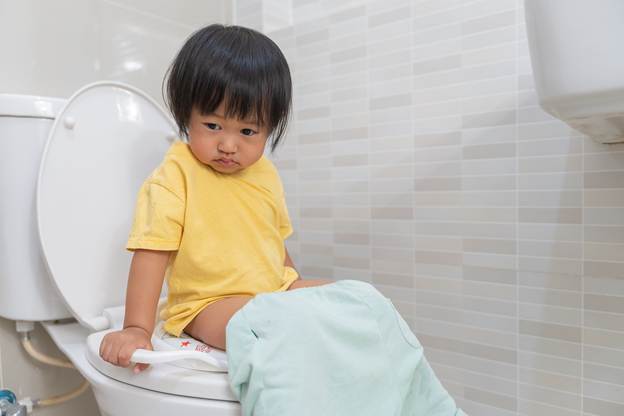
Diarrhea in children means having loose or watery stools more often than usual. It is common, especially in young kids. Often, diarrhea in children lasts a few days and goes away on its own. However, it can sometimes lead to dehydration, which can be serious. According to the World Health Organization (WHO), diarrhea is a leading cause of illness in children worldwide.
Common Symptoms of Diarrhea in Kids
Children with diarrhea may show several signs. For example, you may notice:
Frequent loose or watery stools
Stomach cramps or pain
Fever
Nausea or vomiting
Loss of appetite
Feeling tired or weak
Signs of dehydration, such as dry mouth or less urination
Sometimes, children may also have a mild fever. If you see blood in the stool or your child seems very weak, seek help right away.
Main Causes of Diarrhea in Children
There are many reasons why children get diarrhea. Most often, it is caused by infections. These can include:
Viruses, such as rotavirus or norovirus
Bacteria, like E. coli or Salmonella
Parasites, such as Giardia
In addition, food allergies, certain medicines (like antibiotics), or drinking contaminated water can also cause diarrhea. Sometimes, changes in diet or stress may play a role.
Diagnosis Methods
Doctors usually diagnose diarrhea in children by asking about symptoms and recent activities. They may ask questions like:
How many times has your child had diarrhea?
Is there blood or mucus in the stool?
Has your child traveled recently?
Sometimes, the doctor may order tests. For example, a stool sample can help find the cause. Blood tests are rare but may be needed if the child is very sick.
Treatment Options
Treating diarrhea in children focuses on preventing dehydration. Most cases do not need medicine. Instead, doctors recommend:
Giving plenty of fluids, such as water or oral rehydration solutions (ORS)
Continuing to feed your child regular food if possible
Avoiding sugary drinks or sodas
In some cases, if a bacterial infection is found, antibiotics may be needed. However, most viral causes do not need special medicine. The Centers for Disease Control and Prevention (CDC) advises against using anti-diarrheal drugs in young children unless a doctor recommends them.
Home Care and Lifestyle Guidance
At home, you can help your child recover faster. Here are some tips:
Offer small sips of fluids often
Give bland foods, such as rice, bananas, or toast
Let your child rest as needed
Keep the diaper area clean to prevent rashes
Additionally, watch for signs of dehydration, like dry lips or no tears when crying. If you notice these, call your doctor.
Prevention Tips
Preventing childhood diarrhea is possible with good habits. For example:
Wash hands with soap before eating and after using the bathroom
Make sure drinking water is clean
Wash fruits and vegetables well
Keep kitchen surfaces clean
Ensure your child gets the rotavirus vaccine
By following these steps, you can lower the risk of diarrhea in children.
When to See a Doctor
Sometimes, diarrhea in children needs medical care. You should call your doctor if your child:
Has diarrhea for more than two days
Shows signs of dehydration
Has a high fever (over 102°F or 39°C)
Has blood or mucus in the stool
Seems very tired or hard to wake up
Early treatment can prevent serious problems. Do not wait if you are worried about your child’s health.
Summary
In summary, diarrhea in children is common but can be managed at home in most cases. However, it is important to watch for warning signs and keep your child hydrated. If your child has persistent diarrhea, consult a pediatrician for personalized advice.
Don’t take chances with your child’s health — visit Kranthi Children’s Hospital for expert pediatric care and guidance.