
Introduction
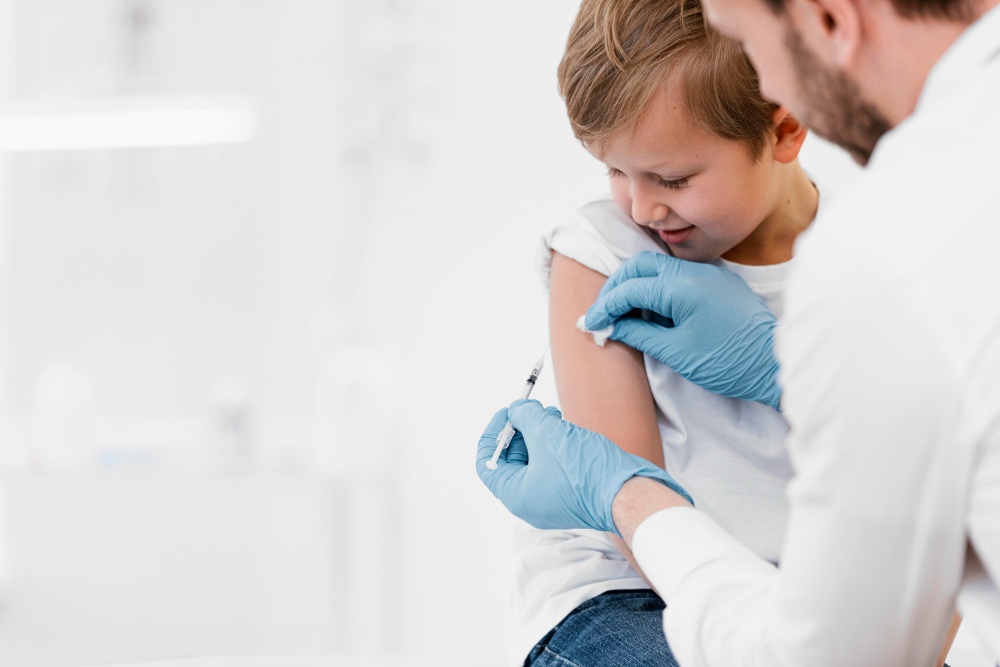
As winter 2025 approaches, keeping your child healthy is more important than ever. Vaccines protect children from serious diseases, especially during colder months. In this blog, we will discuss the top 5 vaccinations every child should get before winter 2025. Timely childhood vaccines help prevent illness and keep families safe. Following the pediatric immunization schedule is a smart way to prepare for the season ahead.
Overview: Why Timely Vaccination Matters Before Winter
Winter brings a higher risk of infections for children. Viruses spread more easily when people spend time indoors. Because of this, timely vaccination is crucial. Vaccines help your child’s immune system fight off dangerous germs. In addition, they lower the chance of outbreaks in your community. According to the CDC and WHO, following the recommended vaccine schedule protects both your child and others. Early action means fewer sick days and a healthier winter for everyone.
Vaccine #1: Influenza (Flu) Vaccine
The flu vaccine protects against seasonal influenza. This virus can cause high fever, cough, and body aches. Sometimes, it leads to serious problems like pneumonia. The CDC recommends that all children aged 6 months and older get a flu shot every year. Getting the flu vaccine before winter helps prevent illness during peak flu season. It also reduces the risk of spreading the flu to family and friends.
Vaccine #2: COVID-19 Vaccine
The COVID-19 vaccine protects children from the coronavirus. COVID-19 can cause fever, cough, and breathing problems. In rare cases, it leads to severe illness. The CDC recommends the COVID-19 vaccine for children aged 6 months and older. Booster shots may be needed, so check the latest pediatric immunization schedule. Vaccinating your child helps prevent severe COVID-19 and keeps schools and communities safer.
Vaccine #3: Measles, Mumps, and Rubella (MMR) Vaccine
The MMR vaccine protects against three diseases: measles, mumps, and rubella. These illnesses can cause fever, rash, and swelling. Sometimes, they lead to serious problems like brain swelling or hearing loss. Children usually get the first MMR shot at 12-15 months and a second dose at 4-6 years. Getting the MMR vaccine before winter helps prevent outbreaks, especially in crowded places like schools.
Vaccine #4: Pneumococcal Vaccine
The pneumococcal vaccine protects against infections caused by the Streptococcus pneumoniae bacteria. These infections can lead to pneumonia, ear infections, and even meningitis. The CDC recommends this vaccine for all children under 2 years, with booster doses as they grow. Because pneumonia is more common in winter, this vaccine is especially important before the season starts.
Vaccine #5: DTaP Vaccine (Diphtheria, Tetanus, and Pertussis)
The DTaP vaccine guards against diphtheria, tetanus, and pertussis (whooping cough). These diseases can cause breathing problems, muscle stiffness, and severe coughing. Children get a series of DTaP shots starting at 2 months old, with boosters at 4, 6, 15-18 months, and 4-6 years. Staying up to date with DTaP helps protect your child and others, especially during winter when coughs spread easily.
Safety and Side Effects
Most vaccines are very safe. However, mild side effects can happen. These may include:Redness or swelling at the injection siteLow-grade feverFeeling tired or fussy
Usually, these side effects go away in a day or two. To help your child feel better, you can:Apply a cool cloth to the sore spotGive extra fluidsLet your child rest
If you notice a high fever or unusual symptoms, contact your doctor right away. According to the CDC, serious reactions are very rare.
Tips for Parents
Preparing for vaccination visits can make the process smoother. Here are some helpful tips:Bring your child’s vaccine record to every visitTalk to your child about what to expectDress your child in loose clothing for easy accessOffer comfort, like a favorite toy or snackAsk your doctor any questions you have
After the visit, keep the vaccine record updated. This helps you stay on track with the pediatric immunization schedule.
Prevention and Community Health
Vaccines do more than protect your child. They also help stop the spread of disease in your community. When most people are vaccinated, it is harder for germs to spread. This is called herd immunity. Because of this, even those who cannot get vaccines are safer. Following the recommended childhood vaccines 2025 schedule helps keep everyone healthy, especially during winter. The CDC and WHO agree that vaccines are one of the best ways to prevent outbreaks.
Conclusion
Getting the top 5 vaccinations before winter 2025 is a smart way to protect your child. Vaccines help keep families and communities safe from serious diseases, especially during the colder months. For the best advice and to ensure your child is up to date, consult your pediatrician at Kranthi Children’s Hospital about the right vaccines for your child.