
Introduction
Constipation in children is a common concern for many parents and caregivers. Often, children may have trouble passing stools or may not go to the bathroom as often as usual. Because constipation in children can cause discomfort, it is important to understand its causes, symptoms, and treatment options. Early action can help your child feel better and prevent future problems.
What is Constipation in Children?
Constipation in children means having fewer bowel movements than normal or passing hard, dry stools. Usually, children should have at least three bowel movements each week. However, some children may go less often. If your child strains or feels pain while passing stool, it may be a sign of constipation. According to the CDC, constipation is one of the most common digestive issues in children.
Common Symptoms
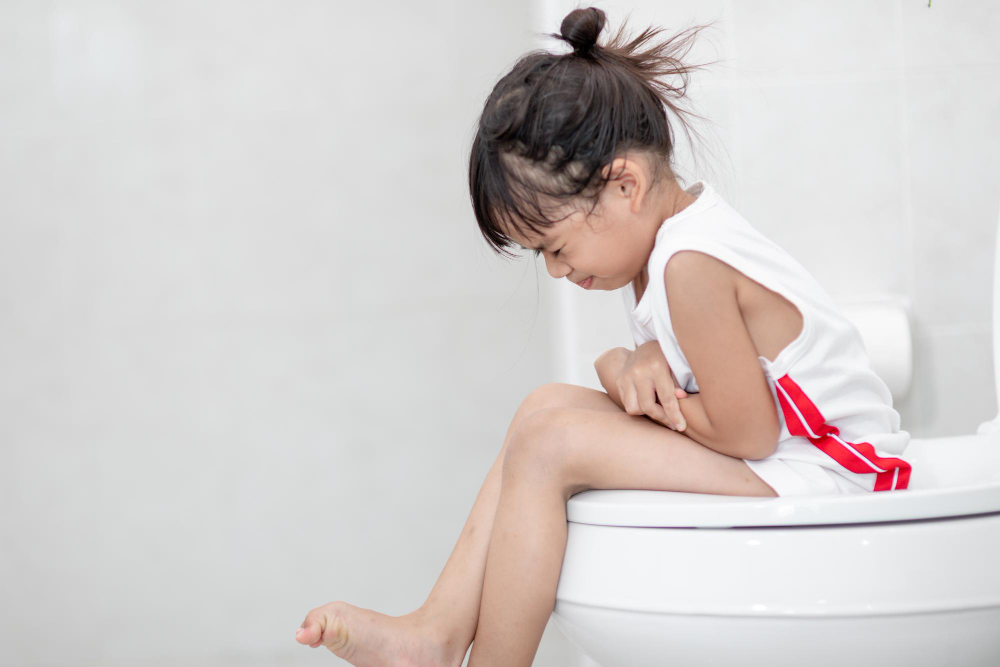
Recognizing child constipation symptoms can help you take action early. For example, your child may show signs such as:Fewer than three bowel movements per weekHard, dry, or lumpy stoolsStraining or pain during bowel movementsStomach pain or bloatingSmall amounts of stool in underwear (soiling)Loss of appetiteCrankiness or irritability
Sometimes, children may avoid going to the bathroom because of pain. As a result, constipation can get worse.
Causes of Constipation
There are many pediatric constipation causes. Often, a mix of factors leads to constipation in children. Some common causes include:Not eating enough fiber-rich foods like fruits, vegetables, or whole grainsNot drinking enough water or fluidsIgnoring the urge to go to the bathroomChanges in routine, such as travel or starting schoolStress or emotional issuesCertain medicinesMedical conditions, though rare, like thyroid problems or nerve disorders
Additionally, toilet training can sometimes trigger constipation if a child feels pressured or anxious.
How Constipation is Diagnosed
Doctors use several steps to diagnose constipation in children. First, they ask about your child’s symptoms and bathroom habits. Next, they may do a physical exam. Sometimes, the doctor may ask for more tests, such as:X-rays to check for stool in the colonBlood tests to rule out other conditionsSpecial tests if constipation is severe or long-lasting
Usually, most cases do not need many tests. However, your doctor will decide what is best for your child.
Treatment Options
Treatment for constipation in kids depends on the cause and severity. In many cases, simple changes can help. For example, your doctor may suggest:Increasing fiber in your child’s dietEncouraging your child to drink more waterSetting regular bathroom times, especially after mealsUsing mild stool softeners or laxatives if needed (only as advised by a doctor)
Sometimes, your child may need medicine for a short time. However, do not give your child any laxatives without talking to a doctor first.
Lifestyle and Dietary Tips
Making healthy changes can help relieve and prevent constipation in children. Here are some tips:Offer fruits like apples, pears, and berriesInclude vegetables and whole grains in mealsEncourage your child to drink water throughout the dayLimit sugary drinks and snacksEncourage daily physical activity, such as walking or playing outsideSet a relaxed bathroom routine after meals
With these steps, many children feel better quickly.
Prevention Strategies
Preventing constipation in children is possible with a few simple habits. For instance, you can:Serve high-fiber foods at every mealMake sure your child drinks enough fluidsEncourage regular toilet breaks, even if your child is busyHelp your child feel relaxed about using the bathroomTeach your child not to ignore the urge to go
Over time, these habits can help keep your child’s digestion healthy.
When to See a Doctor
Sometimes, constipation in children needs medical attention. You should call your doctor if your child:Has not had a bowel movement in more than five daysHas severe stomach pain or vomitingSees blood in the stoolLoses weight or feels very tiredHas ongoing constipation that does not improve with home care
Early help can prevent complications and help your child feel better sooner.
In summary, constipation in children is common but treatable. With the right steps, most children recover quickly. If you have concerns, consult your pediatrician for personalized advice and care.